
TOR Mains Connection System
Inspired by our reference PEAK Mains Connection System, TOR applies the same core principles of interference control at a more attainable level.
Performance
Audio systems are extremely sensitive to the quality of the power feeding them. Throughout the day, high-frequency electrical noise and vibration from the power grid constantly change as other devices switch on and off—both inside and outside your home. These fluctuations directly affect how your system performs.
This is why a system can sound exceptional one day and restrained the next. Nothing is wrong with your equipment. The electrical environment has changed.
Quiescent mains modules address this instability at its source. Installed in the mains loom, they suppress incoming interference and prevent noise from circulating between components. The result is a quieter, more stable system that performs consistently—so great listening days are no longer unpredictable exceptions.
Technology
Even the finest audio systems are affected by electrical noise and vibration circulating between components and entering through the mains. These interactions quietly undermine timing, clarity, and musical consistency. The TOR Mains Connection System applies Quiescent’s research-led approach to controlling this environment in a more accessible form, drawing directly from the principles established in our reference PEAK system.
Using a modular architecture and patented matrix technology, TOR reduces noise propagation and resonance step by step—allowing unwanted energy to dissipate rather than interfere with the music. The result is greater stability, improved coherence, and a more natural musical presentation, offering a compelling entry into Quiescent’s philosophy of performance through interference control.

Specifications
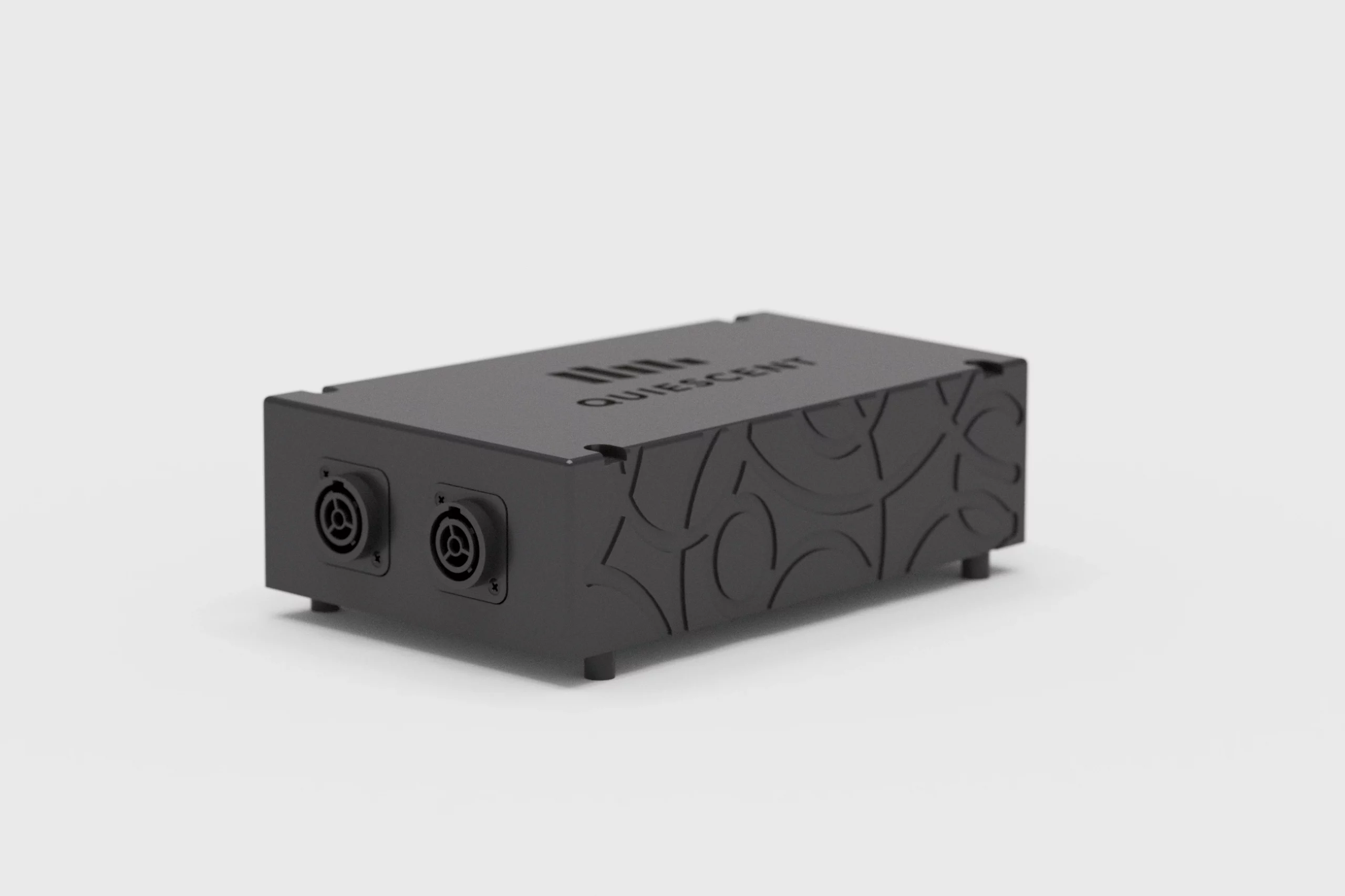
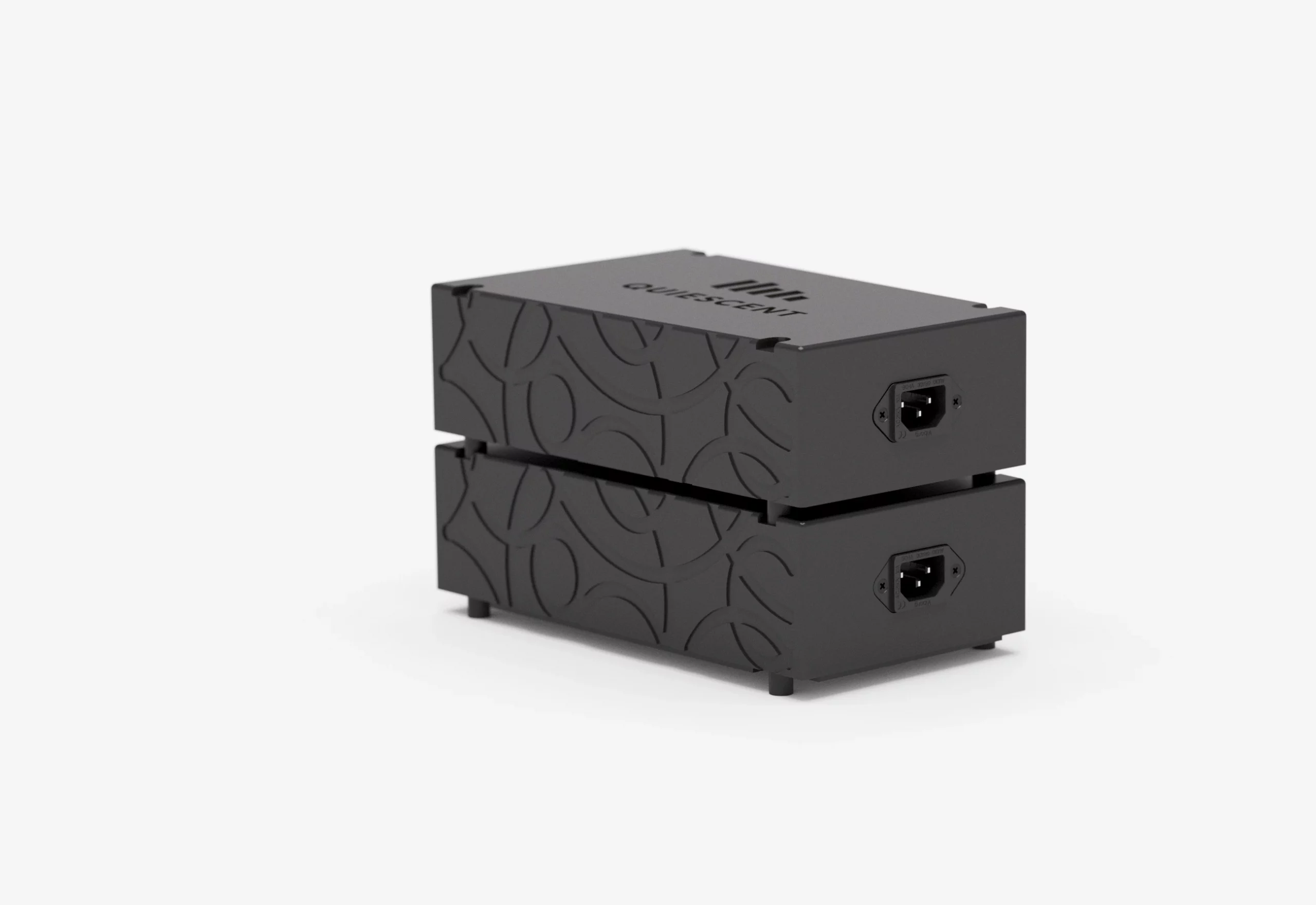
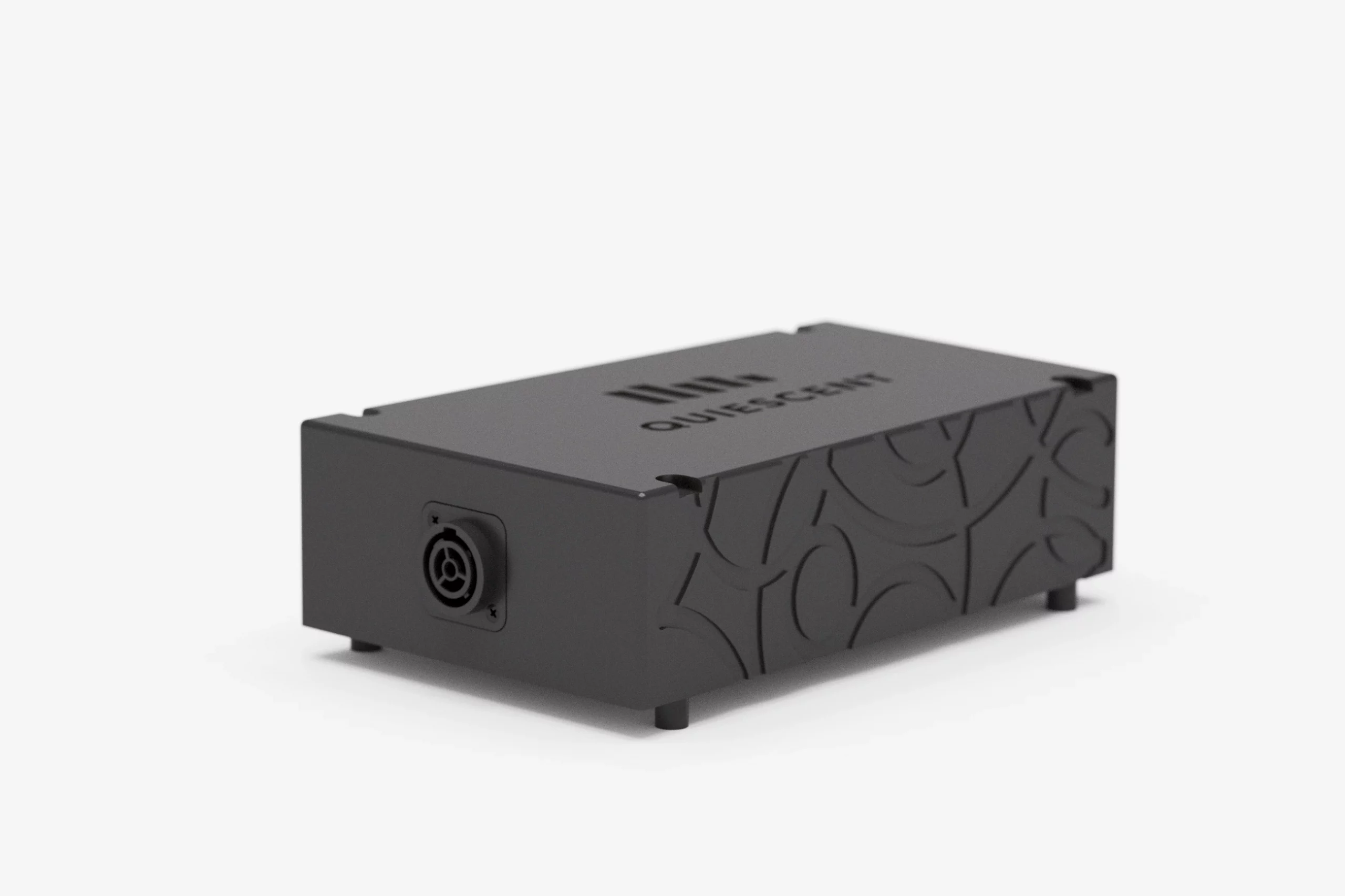
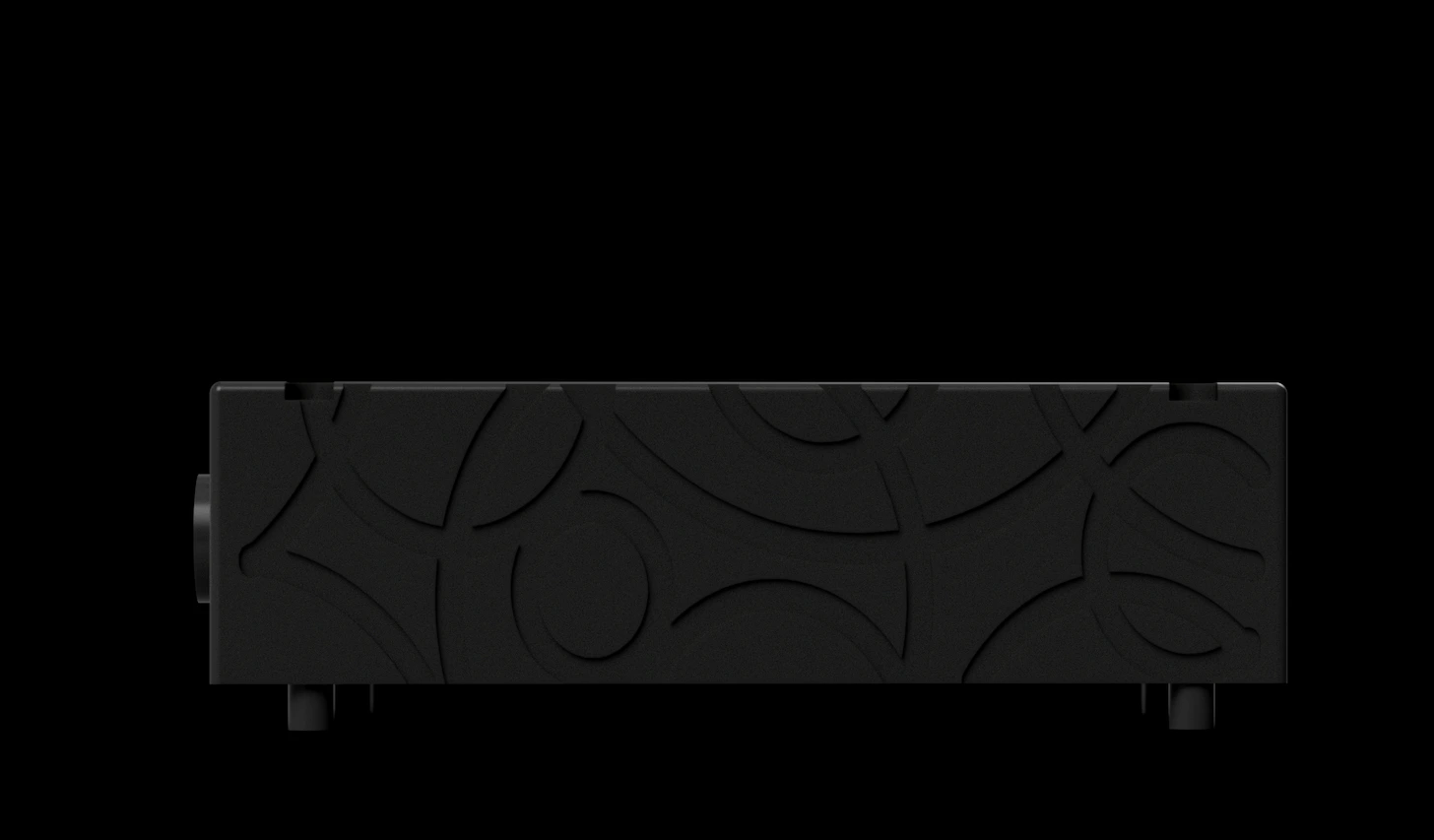
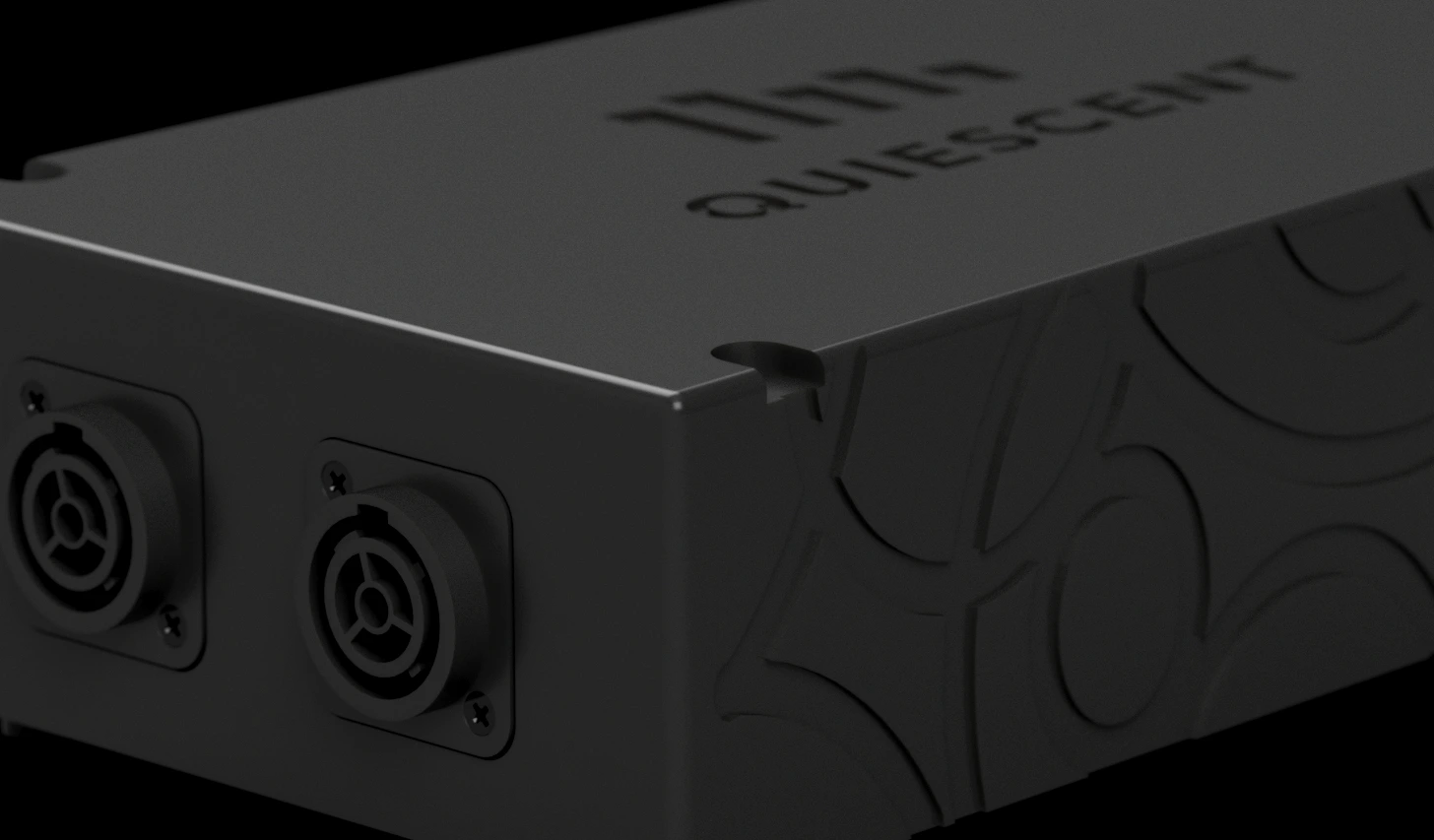
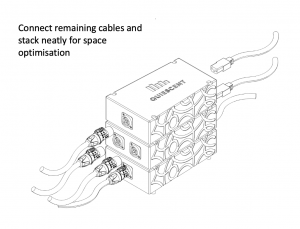
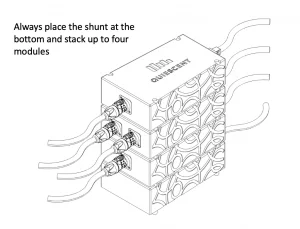
The TOR modules are constructed in ultra-low-resonant 3D-printed casework, incorporating our patented EMI/RFI absorption technology borrowed from the award-winning PEAK.


Technology
At Quiescent, we recognise that even well-designed audio components are affected by what surrounds them. Shared power connections, grounding arrangements, and physical proximity allow electrical noise and vibration to pass between components, subtly influencing musical performance. Addressing this interaction—rather than altering the signal itself—is fundamental to unlocking greater consistency and clarity.
Today’s audio systems operate against a backdrop of constant electrical activity. High-frequency noise enters through the mains while power supplies within each component generate their own electromagnetic and mechanical energy. Left unmanaged, this energy migrates through the system, interfering with sensitive circuits and contributing to the variability many listeners experience.
As this interference accumulates, electronic components can begin to exhibit microphonic behaviour, introducing small but damaging distortions into the musical signal. Because most audio electronics are not optimised to control very high-frequency electrical effects, this energy can also form standing waves, leading to uneven frequency response and a loss of musical coherence.
The TOR Mains Connection System was developed as a more accessible entry point into this approach, drawing directly from the principles established in our reference PEAK Mains Connection system. Like PEAK, TOR adopts a modular architecture that allows system interaction to be addressed progressively, reducing interference step by step. While Peak represents the most comprehensive expression of this philosophy, TOR delivers a carefully balanced subset of its benefits within a more attainable framework.
TOR modules significantly reduce forward and backward noise propagation, as well as the mechanical oscillations that would otherwise circulate between components. Central to the design is our patented matrix technology—a wide-band, high-frequency structure with high return loss—providing controlled paths for unwanted energy to dissipate rather than reflect back into the system.
To achieve this level of performance efficiently, TOR employs advanced 3D-printed housings incorporating a honeycomb matrix that suppresses resonance and supports the internal energy-management structure. This allows TOR to retain much of the conceptual strength of our current reference while remaining firmly within a lower-cost envelope.
The result is a system that sounds more stable, more coherent, and more musically convincing. Dynamics flow more freely, instruments and voices are better defined, and performance becomes more consistent from day to day—without imposing a sonic character of its own.
TOR does not seek to replace PEAK—it brings the same disciplined thinking to a broader audience, removing interference so your system can perform closer to its true potential.
Specifications
Casework
Construction
Ultra-low resonance black 3D printed casework
Dimensions – LxWxH (mm)
240x150x75
Weight (Kg)
3.5
Absorption Technology
EMI/RFI
Multi-phase, wide-bandwidth electrical labyrinth
Mechanical
Proprietary casework design with 3D passive acoustic absorption materials
Connections
Power In
IEC C14 or C15 10A
Power Out (single)
Neutrik powerCon TRUE 1
Power Out (dual)
2 x Neutrik powerCon TRUE 1
Power Out (shunt)
Not Applicable
Conductors
Three 1.5mm 10.0% silver blended with oxygen-free copper conductors (1 each per Earth, Neutral and Live)
